
Gas Log Sets in Orange for Wood Fireplaces
Tell Us About the Stove
Say what you burn, how often it runs and what is going wrong. We ring back from Orange to set the visit.
The Work, Item by Item
Plenty of wood burners add a log set for the evenings when the air district calls a no-burn day. We measure the opening, check the flue and the gas supply, and match a set to the space. On vented sets we lock the damper partway so nobody can shut it over a live burner. Logs go where the maker's chart puts them, and we tune the flame before leaving. The price follows the measuring visit.
What a log set is and what it is not
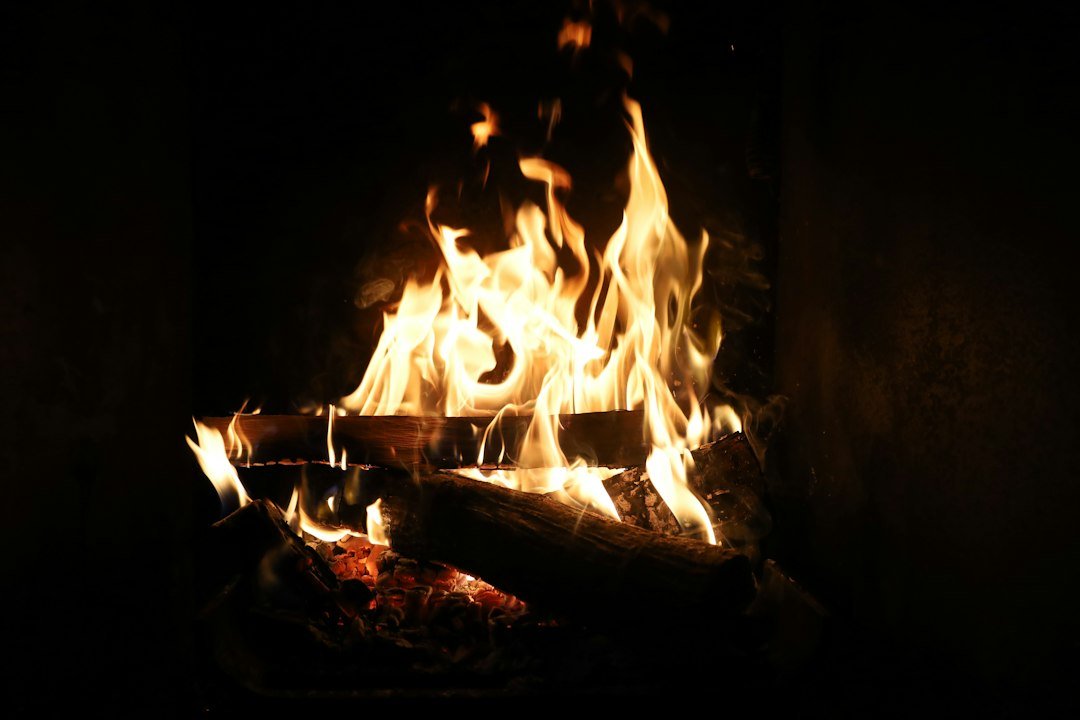
Strip a gas log set down and you have a steel pan with a burner in it, a gas valve, and molded refractory logs shaped and painted to look like split oak. It sits in a wood-burning firebox in place of the grate. Turn it on and you get a flame that plays over the logs, with no ash to scoop and no wood to haul. What it does not give you is heat in any useful amount. The sets we fit are vented, which means their exhaust leaves by the chimney the way wood smoke does, and the chimney carries off most of the warmth with it. For a wood burner, that is the honest trade: a log set is for the look of fire and an easy evening, especially on nights when Rule 445 bans burning wood. If you want a gas fire to warm the room, an insert is the tool, and we will tell you so.
Getting the fireplace ready matters as much as the set. A chimney that burned wood for years has creosote clinging to it, and a gas flame below it can loosen flakes onto the new logs, so a sweep comes first if the flue is due. The damper has to work, and with a vented set it must be blocked from closing all the way so the exhaust always has a way out. The gas line has to reach the firebox with a shutoff valve you can get to. Many older brick fireplaces already have a gas stub, left there for lighting wood; we check whether it is sized for a full log set or needs a new run. And the set has to suit the firebox, with room around it so the flame does not lick the brick face, and not so small that it looks lost in a big opening.
Setting logs so they burn clean
Every set comes with a diagram, and the logs only burn clean when they sit where the diagram puts them. Push one into the flame path and the flame hits cold ceramic, burns incompletely and paints soot on the logs, the brick and sometimes the wall above. We place the logs, spread the embers and glowing material the way the maker shows, light the set, and adjust the air shutter until the flame is steady, yellow at the tips and clean at the base. We watch the draft at the opening to make sure exhaust is going up the chimney and not curling into the room. If a set you already own has started to soot, a cleaning and reset usually cures it; logs that have cracked or crumbled are replaced with ones made for that set, since mixing logs from different sets upsets the flame.
There is no single price for a gas log install on this site. A small set in a fireplace that already has a gas stub is a short job; a large set with a new gas line from across the house is not, and the sets themselves vary widely. We come out, look up the flue, find the gas supply and measure the firebox, and help you choose a set that fits. The written quote then lists the set, the gas work and any chimney prep as separate lines. When you book through the contact page, mention whether there is a gas valve near the fireplace now and whether the fireplace still burns wood, so we know whether to plan a sweep on the same visit. For a house in Orange that has stopped hauling wood but still wants a flame on cold evenings, a log set is the simplest route there.
How Booker Chimney Contractors Works
Paper First
Repairs are priced on paper before a tool comes out
Burners Ourselves
We talk wood, pellets and air settings in plain terms
Listed Prices
Sweeps and inspections carry a set figure on this site
Photos Kept
Your report holds pictures of what we found and fixed
Where we take on gas logs
Pick a city below. Focus cities open a page written for that place; the rest point to the general page above.
CA
Gas Logs in Orange
Old flues, old smoke: 64% of the houses here were standing before 1980 and 7% before 1950. We brush the creosote out, check the liner and get your stove ready to carry the winter.
Open this cityCA
Gas Logs in Santa Ana
An old Victorian or Craftsman with its brick chimney still standing can take a wood fire again. Before your first armload of oak, we put a brush up the flue and go over the firebox brick and mortar joints.
Open this cityCA
Gas Logs in Tustin
Just 34% of homes here are stand-alone houses. In the Tustin Ranch stucco from the 1980s on, a wood stove or open hearth gets swept, and we trace the flue from firebox to cap.
Open this cityCA
Gas Logs in Yorba Linda
Owners live in 83% of these homes and 75% stand on their own, up into the eastern hills. Wherever a stove or open hearth gets fed, we sweep it, scrape the smoke shelf and check the cap.
Open this cityOther Jobs We Do
Chimney Sweep
Brushing glaze and flaky soot out of a flue that heats the house all winter, then reading what that buildup says about your wood.
Read more →Chimney Inspection
A look at every reachable part of the chimney that carries your stove or fireplace smoke, written up with photos and a plain verdict.
Read more →Chimney Repair
Fixing the cracked tile, open joints and broken crowns that let hot gas or rain into places a wood fire should never reach.
Read more →Fireplace Inspection
An inspection of the open hearth itself: the firebrick, damper, doors and the gap between the fire and anything that can burn.
Read more →Fireplace Repair
Rebuilding worn fireboxes, fixing dampers and doors, and sorting out a hearth that pushes smoke into the room instead of up.
Read more →Chimney Level 2 Inspection
A camera survey of the whole flue for sales, after a chimney fire or quake, or before a new stove or insert goes in.
Read more →Chimney Cap Installation
A stainless top for the flue that stops rain and nesting birds and catches the sparks a hot wood fire throws up.
Read more →Chimney Flashing Repair
Resealing where the roof meets the brick, so winter rain stops wetting the chimney and slowing the draft of your fires.
Read more →Chimney Masonry Repair
Repointing, brick swaps and patch work on the stack, with mortar soft enough for older brick and tough enough for the weather.
Read more →Chimney Rebuilds
Taking down a chimney that has cracked through or leans, and building it back with the flue your stove or insert needs.
Read more →Fireplace Cleaning
A deep clean of the firebox, glass and hearth for fireplaces that burn often, with notes on what the tar on the walls means.
Read more →Gas Fireplace Cleaning
A yearly clean for the gas fireplace you light on nights the wood stays in the rack: burner, logs, glass and vent.
Read more →Gas Fireplace Repair
Finding why the gas fireplace you count on for no-burn nights will not light, burns dim or leaves black marks on the glass.
Read more →Fireplace Remodel
Reworking a fireplace around how you heat: a wood insert, a gas unit for no-burn nights, or a fresh face and hearth.
Read more →Fireplace Inserts
Wood or gas inserts that push heat into the room instead of up the chimney, each on its own liner sized to the outlet.
Read more →Pellet Stove Repair
Getting a pellet stove that jams, will not light or cuts out mid-evening back to feeding and burning through the cold months.
Read more →Wood Stove Repair
Putting a wood stove back in shape between seasons: door seals, baffles, burn tubes, cats and pipe, so it burns its own smoke.
Read more →Chimney Seismic Retrofit
Making a brick chimney less likely to come down in the next hard shake, with bracing, straps or a lighter rebuild above the roof.
Read more →Chimney Crown Repair
Sealing or recasting a cracked crown before winter storms push water down into the brick and the flue joints below.
Read more →Dryer Vent Cleaning
Clearing packed lint from the dryer duct so loads dry faster and the duct stops running hot inside the wall.
Read more →Chimney Liner Installation
A stainless liner from stove or insert to cap, so wood smoke runs in a sealed, right-sized tube instead of cracked old tile.
Read more →Chimney Leak Repair
Tracing where rain gets into the chimney and fixing that spot, so stains, drips and a soggy firebox stop each winter.
Read more →Chimney Waterproofing
A clear repellent for brick that drinks rain, put on once repairs are done, so a wet chimney stops chilling your fires.
Read more →Chimney Damper Repair
Fixing a damper that sticks, rattles or leaks cold air, so it opens wide for a fire and shuts once the fire dies.
Read more →Chimney Chase Cover
Replacing the rusted metal lid on a framed chimney, so rain stops running into the box around a prefab fireplace.
Read more →