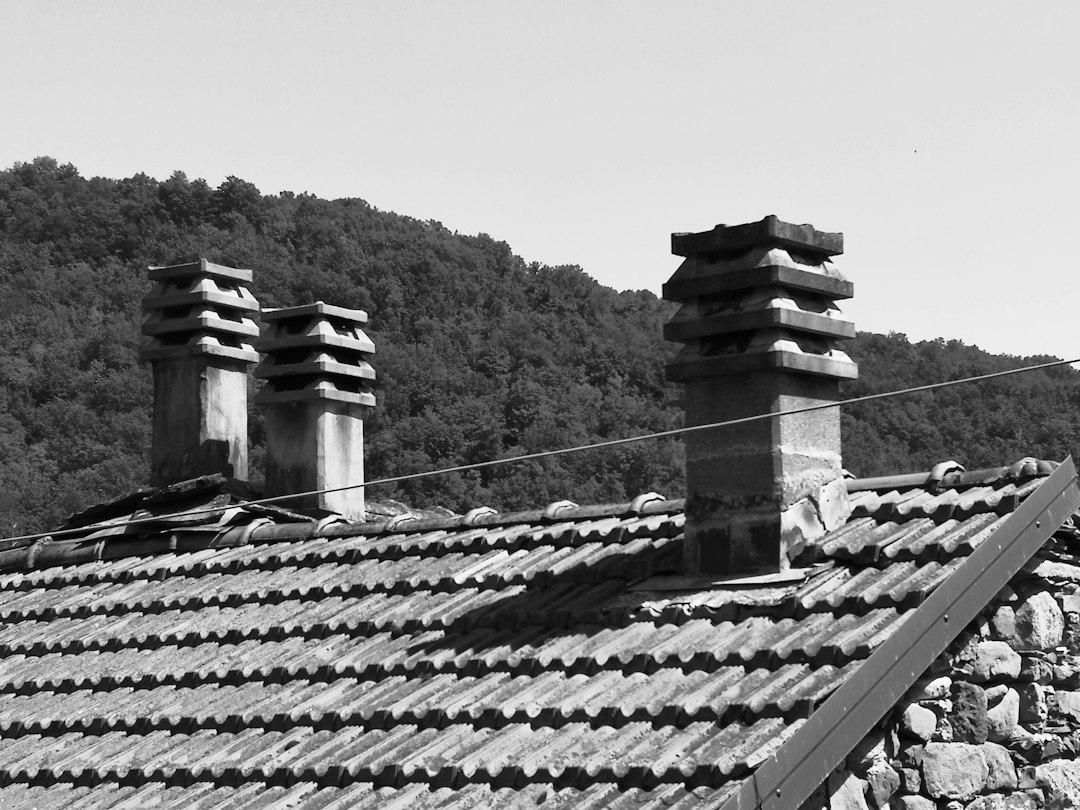
Some flues we sweep in Orange have seen a dozen small fires since the last visit. Others have heated a house every evening from Thanksgiving to March. Both get a brush up the chimney, but they are not the same job, and the price reflects that. This post is for the second kind of household: the ones that burn hard and want to know what keeping the chimney safe will cost.
The base price
On our list, a chimney sweep is from $430. That covers one flue serving one fireplace or stove: drop cloths and a filtered vacuum in the room, brushing the flue from top to bottom, clearing the smoke chamber or the stove connector, and a look at what came out.
The "from" matters. It is the starting figure for a flue with ordinary soot. Heavy burners often need more.
What the deposits tell us
Wood smoke leaves its residue in three broad forms, and the form decides how much work the sweep is.
Dry soot and flakes. Light, crumbly, comes off with a brush. A flue run with dry wood and hot fires mostly has this. This is the base sweep.
Crunchy, puffy buildup. Thicker, crisp, sometimes like burnt popcorn on the tile. It takes more brushing and more passes. Common in stoves damped down to burn slowly.
Hard black glaze. Shiny, tar-like, bonded to the tile. It forms when smoke cools too much on the way up, usually from wet wood or a stove choked down overnight. It does not come off with a brush. It is also the deposit most likely to catch fire.
Where we find the third kind, the base sweep will not clear it. We stop, show you the camera image, and price the extra removal work in writing before doing it. Sometimes it takes more than one visit.
Other things that move the sweep price
A few other factors add to the base figure:
- More than one flue. A house with a stove and a fireplace has two flues, and each is a sweep.
- Inserts. An insert often has to be slid out of the opening to reach the liner connection, and then put back and resealed.
- Roof access. A steep or tall roof takes more setup to reach the top safely.
- A blocked cap. A spark screen clogged with tar has to be cleaned or replaced before the flue can draw properly.
When you book, tell us how many flues the house has, whether any have an insert, and roughly how hard the stove has been worked this season. If you would like a figure first, ask for a written sweep price here.
How often a hard-burning household needs a sweep
NFPA 211 asks for a chimney to be checked every year and swept when deposits have built up. For a household that burns most nights through the winter, that usually means a sweep every season, sometimes two if the wood is not fully dry. A Level 1 inspection ($170) alongside the sweep tells you whether anything else needs attention, which is the cheapest way to catch a cracked crown or a rusting damper before it turns into a bigger bill.
The wood, the stove and the bill
The single biggest thing an owner can do to keep sweep costs down is burn dry wood. Wood fresh off the tree is about half water. Burning it spends the fire's heat boiling that water off, the smoke runs cool, and the tar lands on the flue. Split wood that has sat under cover through a full summer in Orange usually burns clean.
The second thing is how the stove is run. A stove choked down to smoulder overnight makes far more tar than one run hotter for a shorter time. We are not here to change anyone's habits, but we can tell you what we found in your flue and what usually causes it.
The third is the season. Orange sits in the South Coast Air Quality Management District, which can call no-burn days under Rule 445 during the winter. A stove that runs hard on the days burning is allowed and sits cold on the days it is not tends to show it in the flue.
What you get after the sweep
A freshly cleaned flue shows its condition more plainly than at any other time. We look at the tile joints, the smoke chamber, the damper or the stove connector, and the top of the chimney. You get a short written note with photos: anything wrong, how urgent it is, and a price where we have one. If the camera shows something that needs a full Level 2 ($400), we say so and why.
Signs it is time to call
You do not need to wait for the calendar. Call when:
- The stove or fireplace smokes into the room when it used to draw well
- You hear a roar or crackle in the flue, or see sparks out of the top
- The glass on the stove blackens within minutes
- There is a sharp tar smell in the room on warm days
- Black flakes fall into the firebox
The roar and the sparks are a chimney fire; get everyone out and call the fire service first, then us once it is out.
Our chimney sweep page covers the visit in full, and Wood Stove Repair Costs covers the stove side if it needs work too.
If your flue has seen a long hard winter in Orange, it is due. Let us know how many flues you have and how hard they have worked through our contact page, and we will book the sweep.
Want This Looked At on Your Own Stove?
Booker Chimney Contractors repairs wood and pellet stoves and sweeps flues out of Orange. The contact page takes the appliance and its trouble, and we call back with a visit and a price where one is listed.